


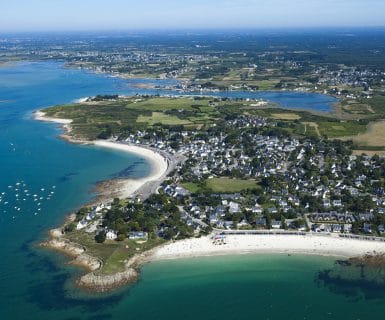

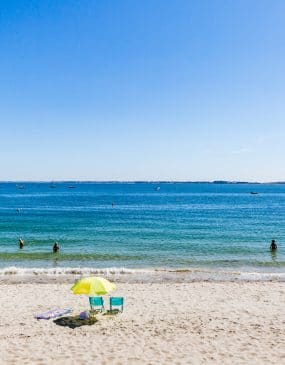


5 plages,
3000 menhirs,
1 SEUL Carnac

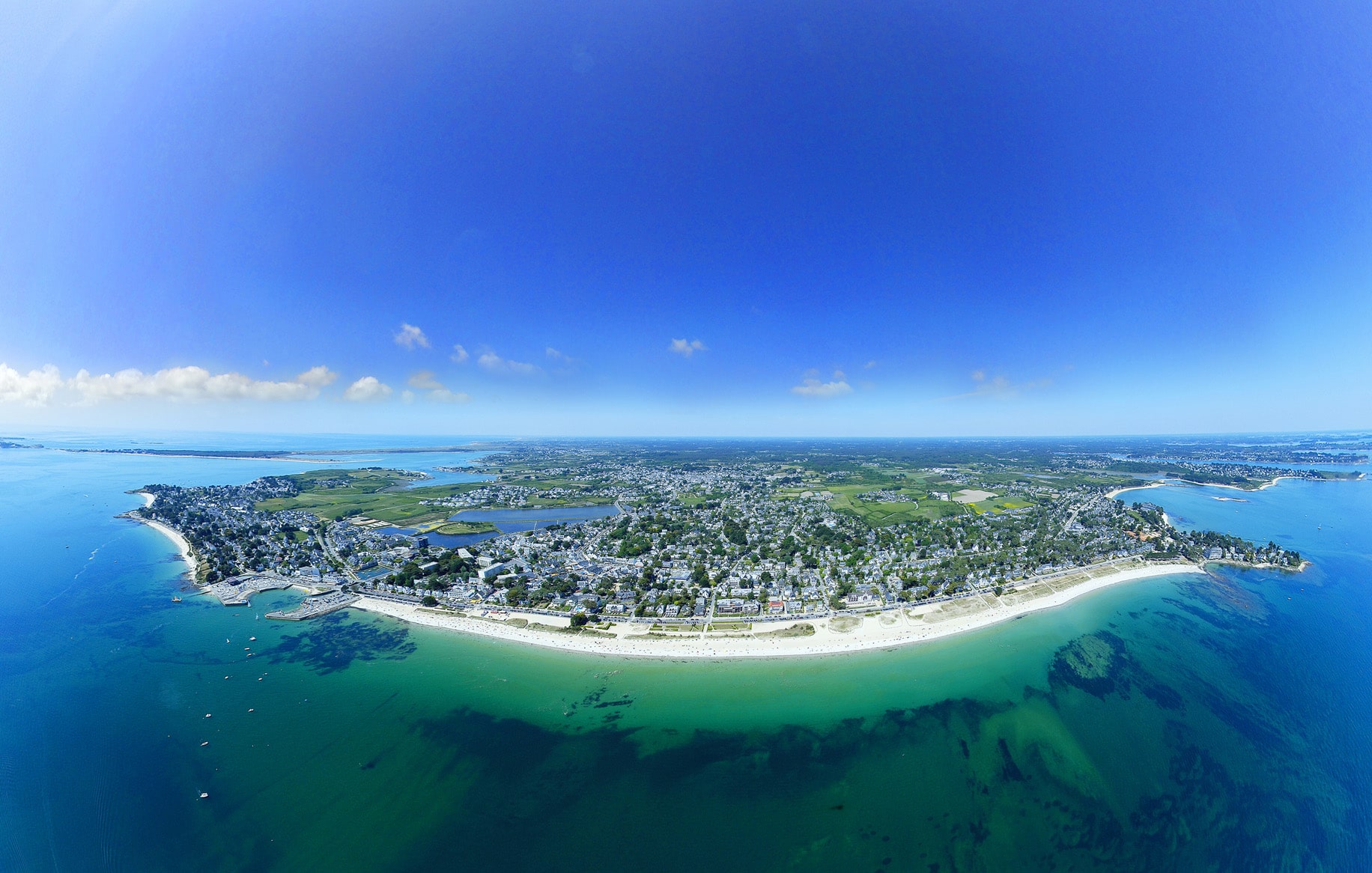
Station balnéaire depuis 10 000 ans
Mondialement connue pour ses célèbres alignements de menhirs, Carnac est aussi une destination familiale.
Profitez des loisirs et animations qui s’offrent à vous, admirez les paysages à couper le souffle et partez à la découverte des trésors du patrimoine.
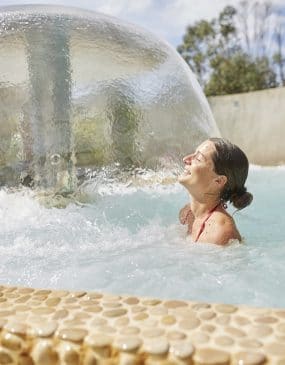
Pour un séjour bien-être et détente en bord de mer, la thalassothérapie 100% bio et son spa marin ainsi que de nombreux instituts de beauté et spa vous accueillent dans un environnement préservé.
À la recherche d’un hôtel, d’un camping, d’un restaurant ou d’une activité de loisirs ? En fonction de vos envies, l’office de tourisme de Carnac vous conseille pour préparer vos vacances en Bretagne, des hébergements aux visites, en passant par les animations et activités.
Agenda
Concerts, expositions, fêtes traditionnelles, spectacles pour enfants, sorties nature… il se passe toujours quelque chose à Carnac. Retrouvez les animations proposées tout au long de l’année !


Expérience Carnac
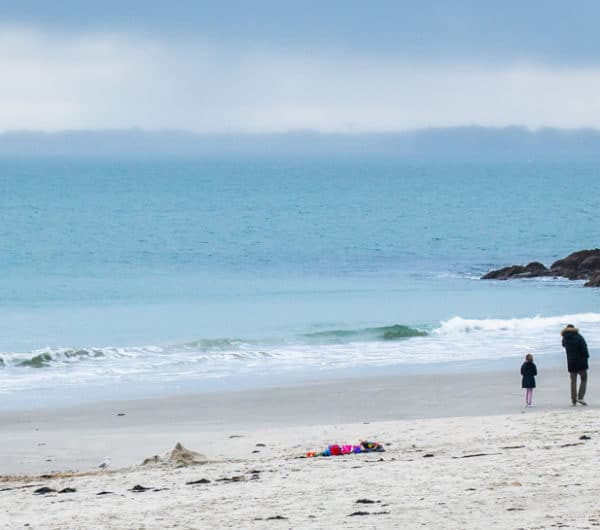
Chouette, il pleut !
Parfois, la pluie arrose les menhirs et les plages de sable fin. Vous vous demandez quoi faire à Carnac quand il pleut ? Pas de panique, Carnac s’adapte à tous les temps…
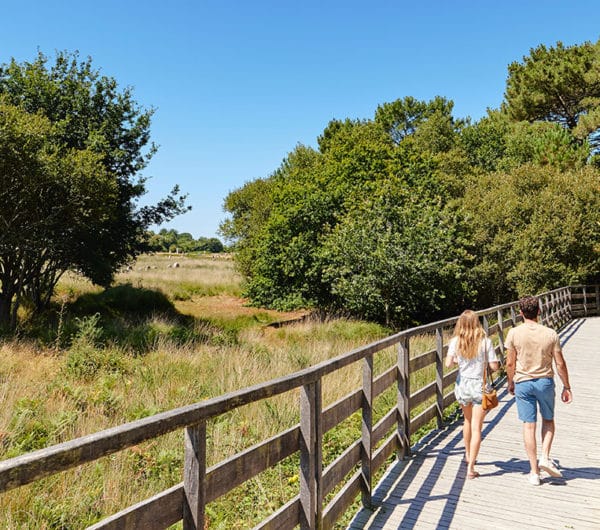
Voyageons ensemble pour un séjour responsable à Carnac
Pendant nos vacances à Carnac, on est sensible à notre impact sur l’environnement et on pense aux générations futures. Afin qu’ils puissent découvrir toute la beauté de Carnac, ses trésors du patrimoine,…
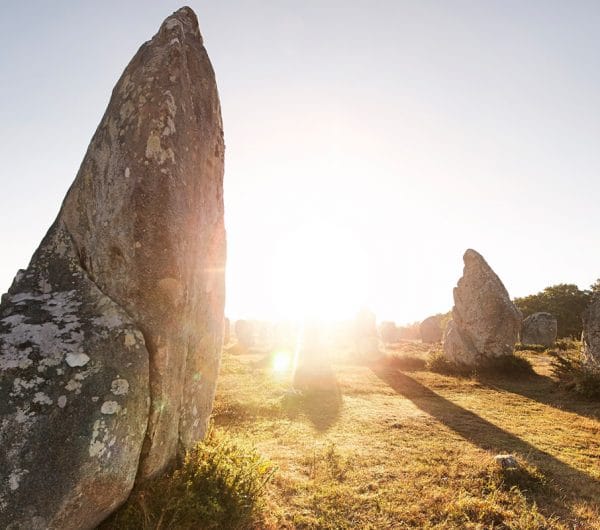
Entrez dans la légende
Notre visite dans les champs de menhirs Samedi matin Direction la Maison des Mégalithes, devant l’alignement du Ménec pour réserver notre visite. Accompagnés d’un guide, nous partons à pied visiter le site des alignements de Carnac :…
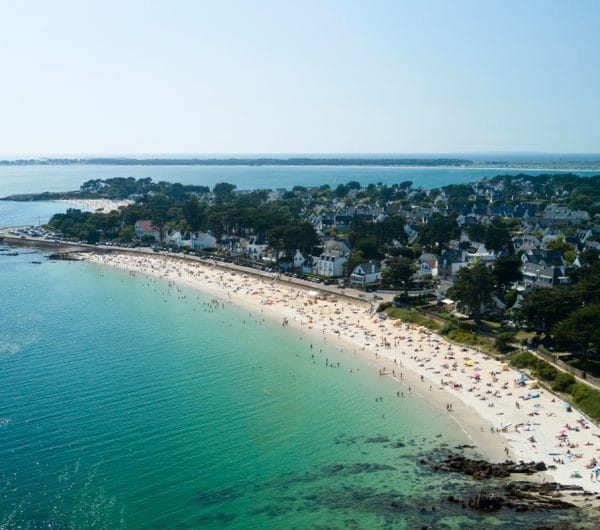
Une plage par jour
Notre hôtel avec vue mer Cet été, nous avons réservé une chambre familiale à l’hôtel Le Diana sur le Boulevard de la plage de Carnac. Nous voulions être face à la mer et profiter…
Bons plans
.jpg)
Initiations gratuites
Golf de Saint Laurent
Valable du 05/04/2024 au 28/04/2024

Carte privilège
Ecole de voile - Yacht Club de Carnac
Valable du 26/10/2023 au 30/06/2024

Hébergement en Dernières Minutes
Agence de Locations Saisonnières - Interhome
Valable du 11/10/2022 au 31/12/2024

Promo -15% pour séjour 14 nuits
Camping Le Moustoir
Valable du 17/08/2024 au 22/09/2024

Braderie
Armor-lux
Valable du 17/04/2024 au 29/04/2024

Promotions basse saison et long séjour
Camping Les Bruyères de Carnac
Valable du 24/08/2024 au 13/09/2024

Spécial Morbihannais 25% de réduction
Vedettes l'Angélus
Valable du 29/03/2024 au 30/09/2024

Votre semaine de vacances supplémentaire à partir de -40% !
Agence Atlantique & Bretagne Séjour– Locations saisonnières
Valable du 01/01/2024 au 05/07/2024

Collection été
Vetement prêt à porter - La Boutique Saint James
Valable du 05/02/2024 au 30/04/2024

10% de réduction
Karnag Sportoù
Valable du 01/04/2024 au 05/05/2024

10€ offerts
So Massages Energétiques
Valable du 01/02/2024 au 31/12/2024

Promotions basse saison et long séjour
Camping Les Bruyères de Carnac
Valable du 05/04/2024 au 12/07/2024

Promo -15% pour séjour 14 nuits
Camping Le Moustoir
Valable du 29/03/2024 au 06/07/2024

-10% sur votre location de vélo
Location de cycles- Beach Bikes Bretagne
Valable du 18/03/2024 au 03/11/2024
.jpg)
Offres dernière minute
Résidence de tourisme Goelia Bleue Océane
Valable du 29/03/2024 au 05/05/2024

Balades exceptionnelles
Terre de Sel
Valable du 03/04/2024 au 27/04/2024

Réduction sur votre location de vacances
Agence de Locations Saisonnières - Interhome
Valable du 01/10/2023 au 31/12/2024
.jpg)
Réduction de 10%
PLONGEE -Carnac Plongée Dive Center
Valable du 05/04/2024 au 31/05/2024
.jpg)
Stages vacances
Golf de Saint Laurent
Valable du 05/04/2024 au 03/05/2024

Boostez votre volume de chargement avec Sixt
SIXT Location de Voitures
Valable du 02/10/2023 au 31/12/2024

Offre Anniversaire
Parc du P'tit Délire
Valable du 05/04/2024 au 06/07/2024

15% offert
So Massages Energétiques
Valable du 01/02/2024 au 31/12/2024
Zoom sur